

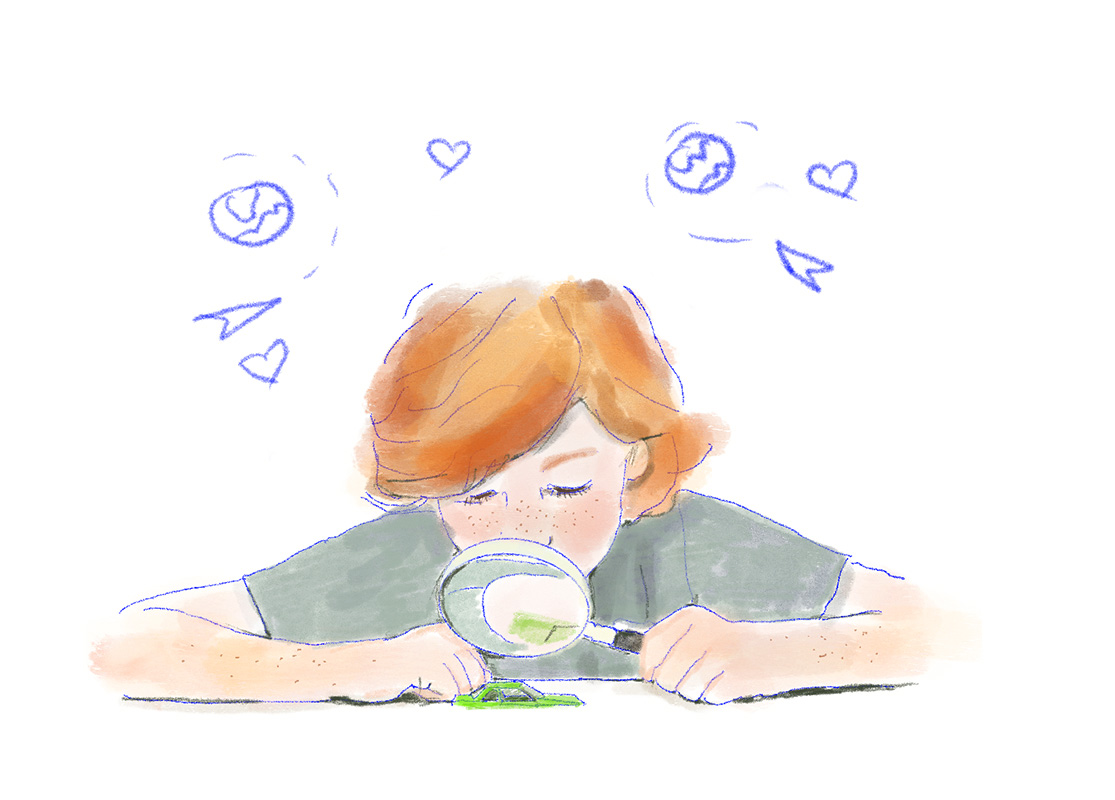
Autism is a developmental disorder that significantly affects an individual's functioning in all areas of their life. It causes a person to perceive, process, and interpret stimuli differently, affecting their way of perceiving the world.
The causes of autism are not entirely known, but researchers agree that genetic factors are the main underlying cause of the disorder.
Symptoms vary and occur in different intensities in each individual. People with autism spectrum disorders have difficulty in establishing and maintaining social relationships. They have a low awareness of the impact of their behavior on the reactions of others. They struggle to understand their emotions and points of view. An early symptom is also communication disorders. The speech of a child with autism is quite characteristic – monotonous, devoid of emotional coloring, appropriate intonation, and tempo. Neologisms appear in their statements, and sentences are grammatically incorrect. Some individuals with autism spectrum disorder do not use speech at all. They also have significant difficulties with non-verbal communication. They avoid eye contact. Their gestures and facial expressions are greatly limited. Problems in communicating their needs are the cause of increasing frustration and the appearance of so-called difficult behaviors (e.g., aggression, self-aggression).
A characteristic symptom is also disturbances in fantasy and imagination. A child with autism spectrum disorder does not understand symbolism or metaphors, has difficulty with abstract thinking, and does not engage in thematic play. They cannot pretend, imitate the behaviors of other people or animals. Their play is monotonous, based on the schematic repetition of a specific action.
People with autism also have stereotyped behaviors, or schematic, repetitive movements, statements, or sounds. Many of them have sensory hypersensitivity. They do not like touch, are bothered by clothing tags or too tight clothing, loud places, or strong odors.
Despite many difficulties, these individuals often possess a range of above-average abilities. They often have excellent memory for numbers and facts. They focus intensely on details, logically organize information, and diligently fulfill assigned tasks. They usually have atypical interests. They devote a lot of attention and time to them, becoming experts in their chosen field.
These are only some of the symptoms that may accompany individuals with autism spectrum disorders. It's important to remember that each person is different, each has a different set of characteristics and levels of intensity.
Autism is most often diagnosed around the age of 2-3 years. The first symptoms appear in infancy but often go unnoticed due to their nature. Parents start recalling early symptoms of the disorder only after the diagnosis is made. In the first year of life, these may include a lack of eye contact, facial expression, reciprocating a smile, reaching out to close people, lack of response to their name, disharmonious or delayed motor development.
Proper, early diagnosis of a child allows for therapeutic interventions to facilitate daily functioning. However, it is important to remember that autism is not a disease and cannot be cured.
Due to their specific behavioral characteristics, individuals with autism spectrum disorders and their families often face a lack of acceptance from society. Most of them have to deal with critical looks and comments, and sometimes even verbal aggression. Increasing social awareness will help them receive what they need most – respect, understanding, and support.
Pedagogue Klaudia Sokołowska-Baryś for Marioinex Education