

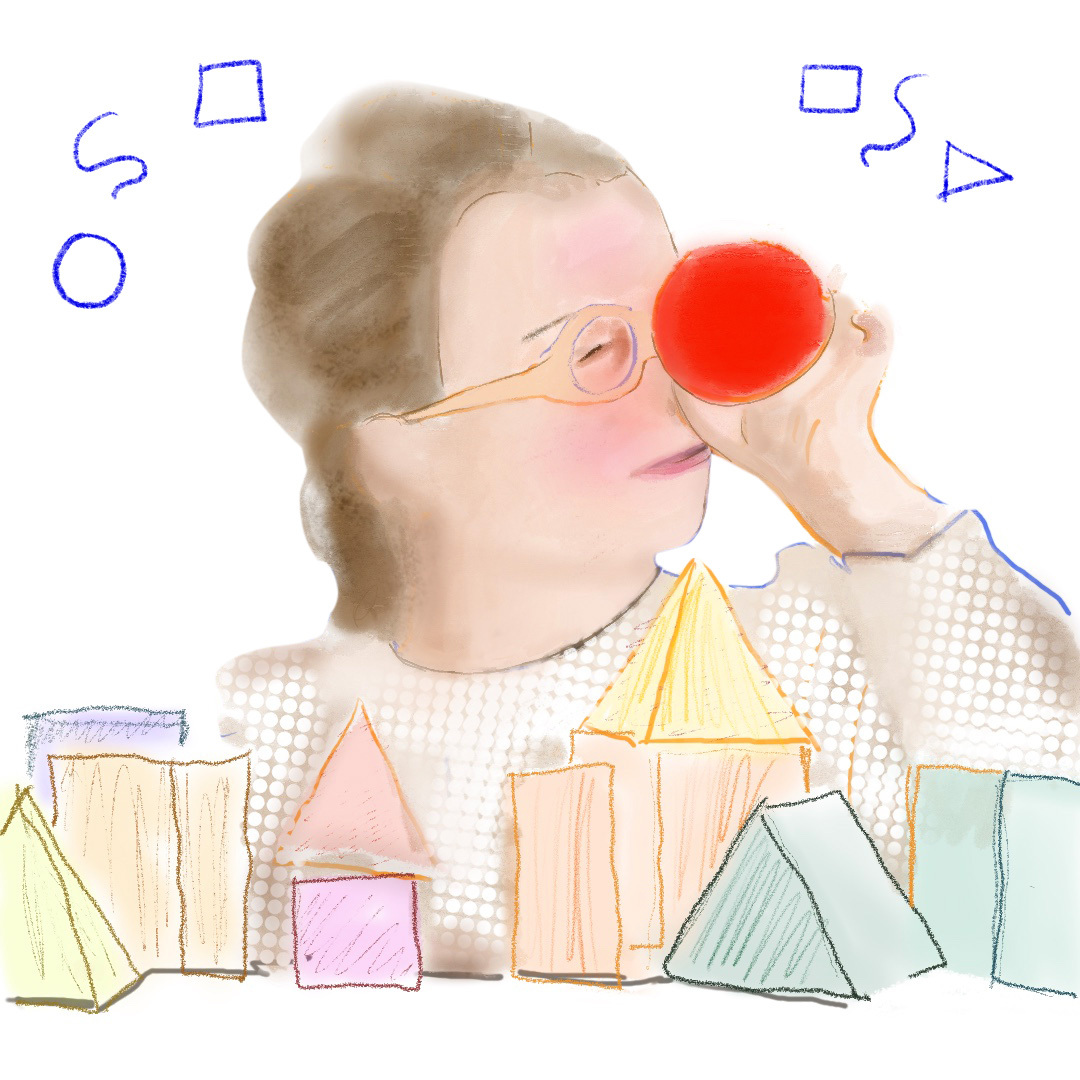
Sensory-Motor Integration is a complex process in which the brain receives and processes information from various senses and then triggers the desired motor response. Sensory-motor development begins in the prenatal period and occurs most intensively during the first years of a child’s life. It depends on the gradual maturation of the central nervous system, which is significantly influenced by biological factors and, to a large extent, by environmental conditions.
During a normal pregnancy, all organs gradually form in the fetus. In newborns, some features of basic sensory integration can be observed, including the senses of touch (both superficial and deep) and balance. This cooperation between senses develops most intensively in the first months of life, during which the child, through physical activity, explores themselves and their environment, receiving an increasing number of stimuli and learning to process and utilize them.
In the next stage, the basic senses integrate with other sensory systems. If the child’s development is progressing correctly, by the end of the 6th year of life, they should demonstrate the ability to concentrate, learn, and engage in abstract reasoning, possess proper lateralization, and be capable of regulating emotions and adhering to social norms.
Early Signs of Developmental Delays
The first signs of abnormal sensory-motor development can be observed within the first months of a child’s life. Delays in psychomotor development, particularly the absence of newborn reflexes, and after the third month, body asymmetry or difficulties maintaining head stability, should prompt parents to seek medical advice.
In older children, symptoms may include:
- Delayed development and coordination issues – slower acquisition of new skills, problems with gross and/or fine motor skills.
- Decreased or increased muscle tone.
- Sensory hypersensitivity – the child covers their ears, frequently complains of discomfort in shoes, is bothered by clothing tags, or hides under tables.
- Reduced sensitivity/reactivity to stimuli – high pain tolerance or the need for additional stimulation.
- Problems with spatial orientation.
- Attention and concentration disorders.
- Difficulties with reading, writing, and arithmetic.
- Social and emotional challenges.
It is important to note that the skills assessed in a child should be appropriate for their age. Any concerns should be consulted with a pediatrician, specialists from a Psychological and Pedagogical Counseling Center, or directly with a sensory integration therapist. Early intervention is crucial because proper sensory processing is a key component of a child’s harmonious development. Its level significantly affects the child’s functioning in all areas of life—cognitive, emotional, and social.
Bibliography:
- Ayres, J.A., Sensory Integration and Learning Disorders, Gdańsk 2021
- Borkowska, M., Sensory Integration in Child Development, Gdańsk 2018
- Maas, V.F., Learning Through the Senses, Gdańsk 2023