

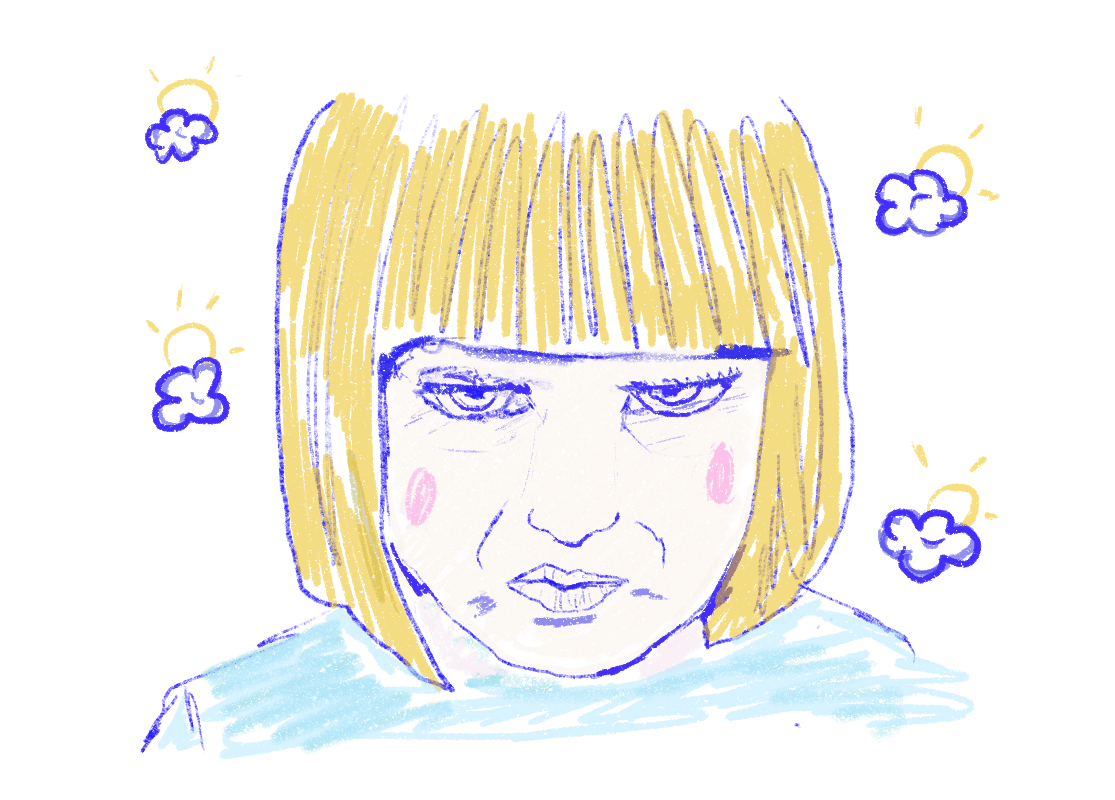
The feeling of frustration accompanies a person from the moment of birth. It arises when we cannot satisfy a need or achieve a desired goal. A newborn feels hunger, physiological needs, or the need for closeness. This is unpleasant for them and evokes their first feeling of frustration. The child signals its needs through crying. The longer it experiences discomfort, the more unpleasant emotions build up.
Parents of 2-4-year-olds notice an increase in frustration and behaviors resulting from it in their little ones. To better understand this phenomenon, it's worthwhile to consider in which situations adults feel such emotions and how they deal with them. A perfect example is working on a difficult project. An adult, after just a few days of solving problems, making and correcting mistakes, may feel frustrated. Depending on their temperament and developed ways of handling difficult emotions, they might hide or express their dissatisfaction in many ways, e.g., through irritation or rude treatment of employees and loved ones. However, how often is an adult exposed to such strong emotions? Regardless of lifestyle and nature of work, definitely less often than a small child.
Try to look at the world from their perspective. A little person every day performs certain activities for the first time in their life or is just perfecting them. They have to face a huge number of challenges - putting the right shoe on the foot, buttoning buttons, taking their plate away, putting toys on the shelf. These seemingly easy and quick tasks cost them a lot of effort and patience. On the other hand, they constantly encounter limitations - they cannot eat an unlimited number of sweets or watch TV all day. Each failure and feeling of disappointment mean that more and more emotions accumulate, which eventually need to find an outlet. Sometimes it may surprise us that the child gets upset and cries, for example, because of an unsuccessful drawing. However, it's likely that they have been feeling tension for a longer time, and this seemingly trivial event is just the tipping point.
We experience frustration at every stage of life. A child has a long way to go in understanding and developing ways to cope with difficult emotions. How can a parent help in this process? Above all, they must show tremendous empathy and try to put themselves in the child's situation. It is usually not easy. Depending on what the child needs at that moment, a parent can:
− comfort the child, giving them encouragement, e.g., "This time it didn't work out, but it's not an easy task. Surely it will work next time!",
− offer help, "Maybe we can do it together?",
− admire their perseverance and hard work, "You were putting those puzzles together for 30 minutes! Look how much you have already done! Maybe you can leave the rest for later?",
− give a hug, − leave them alone. Allow them to talk to siblings or, if they need it, to be alone.
Pedagogue Klaudia Sokołowska-Baryś for Marioinex Education
Bibliography:
Baum H., But I Don’t Want To!, Kielce, 2005
Greene W., Difficult Emotions in Children, Warsaw, 2014
Herbert M., What Is Allowed for a Child? Reasonable Boundary Setting, Gdansk, 2004