

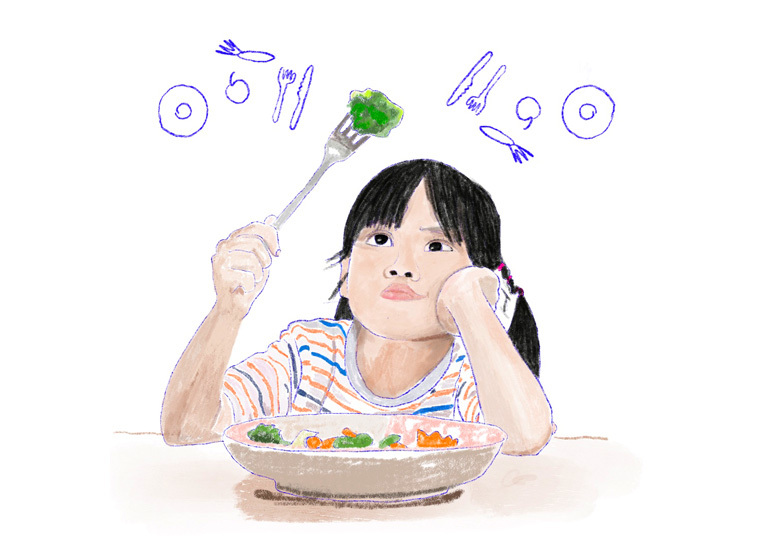
We can speak of eating disorders in a child when the amount of food consumed, habits, or difficulties in the feeding process negatively affect their health. They are recognized when concerning symptoms persist for a period longer than one month. Initially, diagnostic tests are indicated, and if the cause does not stem from medical problems, psychological consultation is necessary. It is extremely important to identify the problem as early as possible and to implement therapeutic actions. Long-standing, improper nutritional habits become part of the daily life of the sick person, making them difficult to change.
Symptoms that should concern us:
- too slow physical development;
- consumption of an insufficient amount of food;
- lack of interest in food;
- no signaling of hunger;
- refusal to eat – crying, spitting out, gag reflexes, vomiting;
- reluctance to diversify meals, eating only a narrow group of selected products;
- anxiety related to consuming a meal.
The most common disorder in children up to 6 years of age is selective eating. It appears during the period of diet diversification. The child shows limited nutritional preferences. There are no problems with consuming foods accepted by themselves. It shows resistance to attempts to introduce new tastes, textures, or smells. Avoids certain foods or entire food groups, e.g., vegetables, meat. The causes of this disorder may include environmental, cultural, and sensory factors (sensory integration disorders). It happens that even a few-month-old children suffer from anorexia. The first symptoms appear between the 6th month and the 2nd year of the child's life. The disorder is characterized by a lack of interest in food, not signaling hunger, weight loss, and growth arrest. It most often results from disturbances in the child-caregiver relationship.
Difficulties with eating may result from the challenge of adapting to a new environment, such as a nursery or kindergarten. Due to strong emotions, the child may refuse to take meals. In such a case, support for the entire process is recommended, for example, by shortening the child's stay in the facility or the periodic presence of a parent during activities. If difficulties persist longer, it is advisable to consult a psychologist and possibly consider discontinuing further attendance of the child in the nursery or kindergarten. Eating disorders can lead to serious health problems. Early therapy can prevent many undesirable changes in the functioning of the sick person.
It also helps in forming healthy eating habits, building a positive self-image, and a proper attitude towards food. The best therapy effects are usually achieved in the initial phase of the disease, which is why a quick response to worrying symptoms by adults - parents, guardians, or teachers - is so important.
Bibliography:
- Jagielska G., A Child with Eating Disorders in School and Kindergarten, Warsaw 2010
- Popek L., Eating Disorders in Infancy and Childhood, in: (ed.) Wolańczyk T., Komender J., Emotional and Behavioral Disorders in Children, Warsaw 2005
- Wentrych A., Before a Specialist Steps In..., Kraków 2016