


Highly Sensitive Child
High sensitivity is recognized as a trait of temperament. Whether it becomes an asset or a burden for a young person largely depends on their immediate environment - parents, relatives, teachers. The term "sensitive" is often used to describe someone who experiences stress intensely. However, the issue of high sensitivity is much broader and often overlooked. For most people, it remains unknown.
Parents, often alarmed, do not understand what is happening with their child. The child has always intensely experienced seemingly minor events, asked many questions, disliked noise. But recently, these behaviors have intensified. Additionally, the child may have trouble sleeping, show aggression, have tantrums, or experience stomach or headaches. Parents start looking for reasons for their child's discomfort. Could something be happening at school? In the case of highly sensitive children, they usually do not find answers, leading to greater fear and a sense of helplessness. Parents often also hear unfavorable comments from relatives, acquaintances, and even teachers about their child. It is too shy, too stubborn, too serious for its age. Only if a parent understands what high sensitivity is and how unique their child is, will they be able to protect them from such judgments and help them fully utilize their strengths.
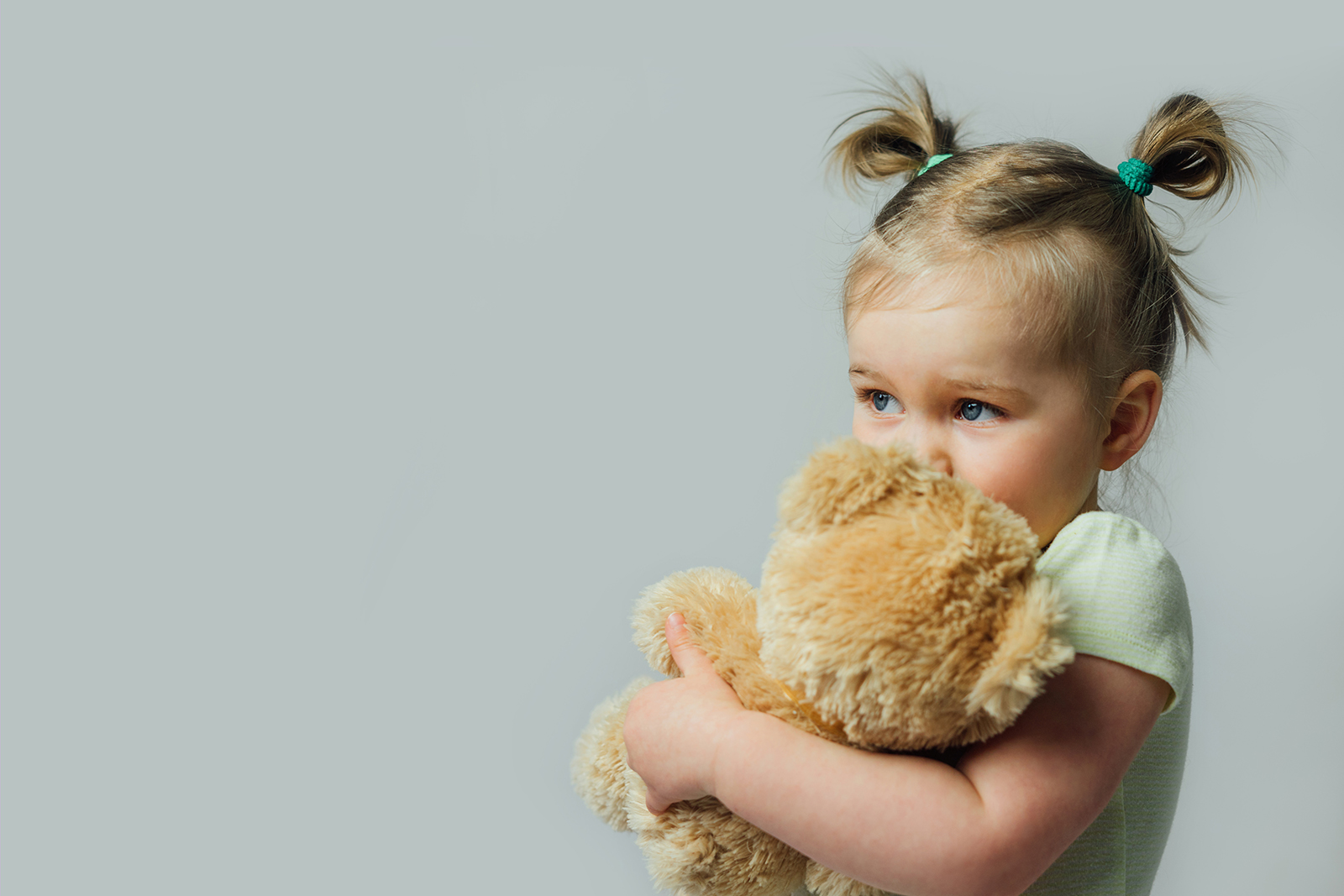
Highly sensitive children are very observant, noticing significantly more details than their peers. They are good observers. They ask many questions, thus creating a complete picture of a given situation or issue. Before moving on to a task, they think about how to do it. They deeply analyze their mistakes and learn from them. These children are extremely empathetic. They can recognize a person's mood by their facial expressions and behavior. They are not deceived by assurances that everything is fine. They see and feel that a person is nervous or downcast. These children are very bright, have excellent memory. They usually do well in school, often standing out in their class. They like to have a structured daily plan. They feel strong anxiety when something disrupts it. Often, unpleasant feelings can be somewhat mitigated by forewarning the child about changes. When this is not possible, a conversation, substantive explanation of the reason for the changes, and answering the child's inevitable questions are sufficient.
Since highly sensitive children perceive much more than their peers, they are also more prone to overstimulation. They try to avoid it, so they may seem shy and withdrawn. In reality, some of them are extroverts. In the right conditions, they are bold, open, and often become leaders of a group or class. Unfortunately, there are days or situations where it is impossible to prevent overstimulation. Just being at school involves a multitude of stimuli (classwork, noise during breaks, sports activities). The body begins to look for ways to cope with overstimulation. That's when anger, headaches or stomachaches, irritation by labels, and avoidance of company appear in the child. There is no one typical reaction. Each child may cope differently in a difficult situation. Some suppress their emotions, not wanting to break the rules of the class. It's hard to imagine how difficult and exhausting such a situation must be for them.
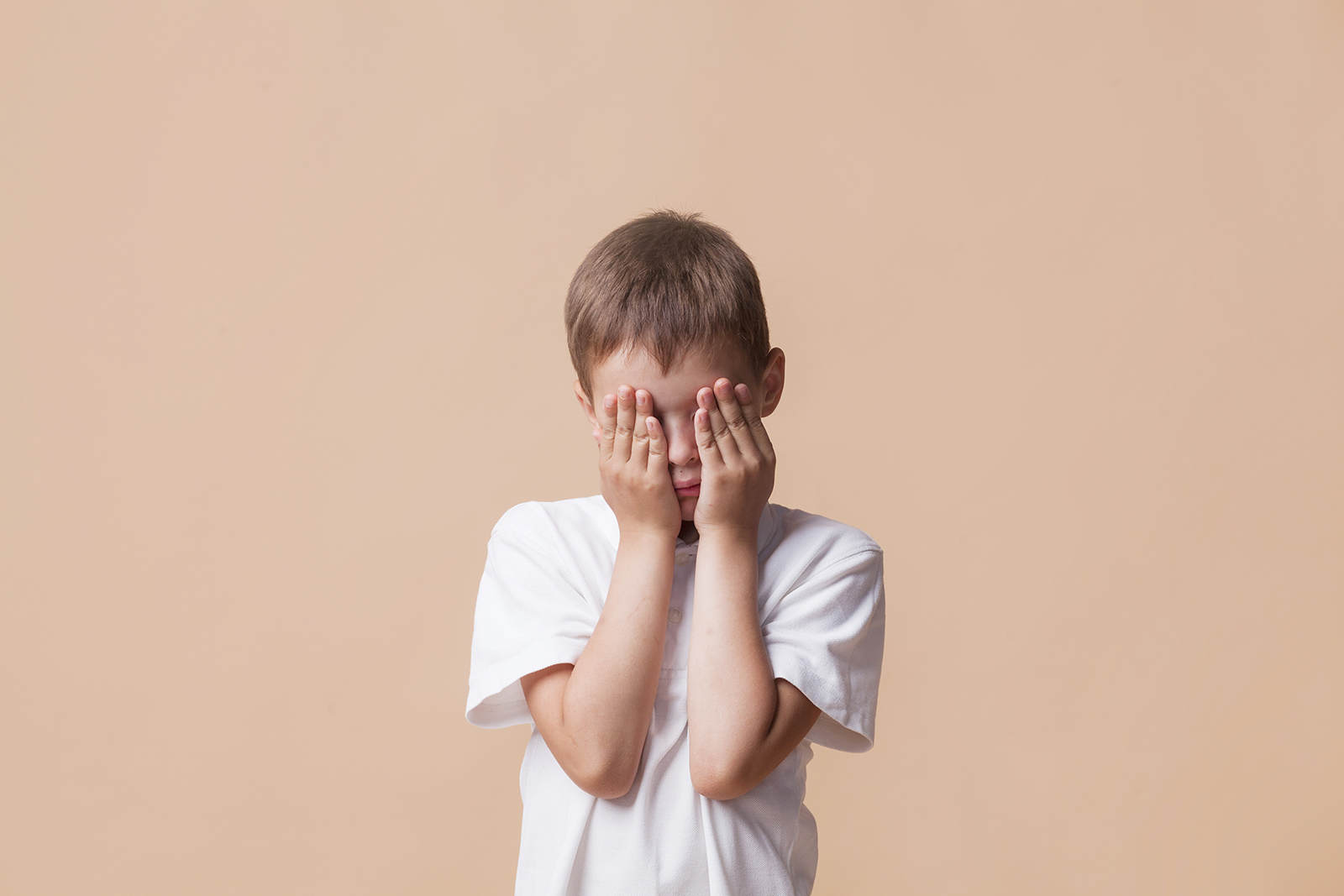
How to Raise a Highly Sensitive Child? First and foremost, focus on the positive aspects of this temperament trait. Show the child a lot of understanding and acceptance. Talk about the tensions that arise. Make the child aware of their strengths and create situations conducive to their development. Prepare the child for stressful situations, such as a test. Discuss what might go wrong and how to deal with failure. As much as possible, limit the number of stimuli reaching the child. Do not additionally stimulate them with computer games and television programs. Establish rules with the child and consistently adhere to them. Help them find a way to release emotions and communicate their discomfort to others. Teach them that they have the right to politely refuse or disagree with another person. It is important that all people who have direct contact with the child are aware of what high sensitivity is. It is worth enlightening relatives and arranging a meeting with the teacher. It is also good to prepare a few polite responses to unpleasant comments from others.
Pedagogue Klaudia Sokołowska-Baryś for Marioinex Education
Bibliography:
- Aron E., The Highly Sensitive Child. How to Understand and Help Them Thrive in an Overwhelming World, Sopot, 2019
- Boyce T., The Orchid and the Dandelion. How to Support Sensitive Children, Warsaw, 2019